Welcome
Go Solar with a Live Quote in Minutes – No Sales Call Required
Get your system size, cost, and savings instantly – backed by local, licensed installers.
ABOUT US
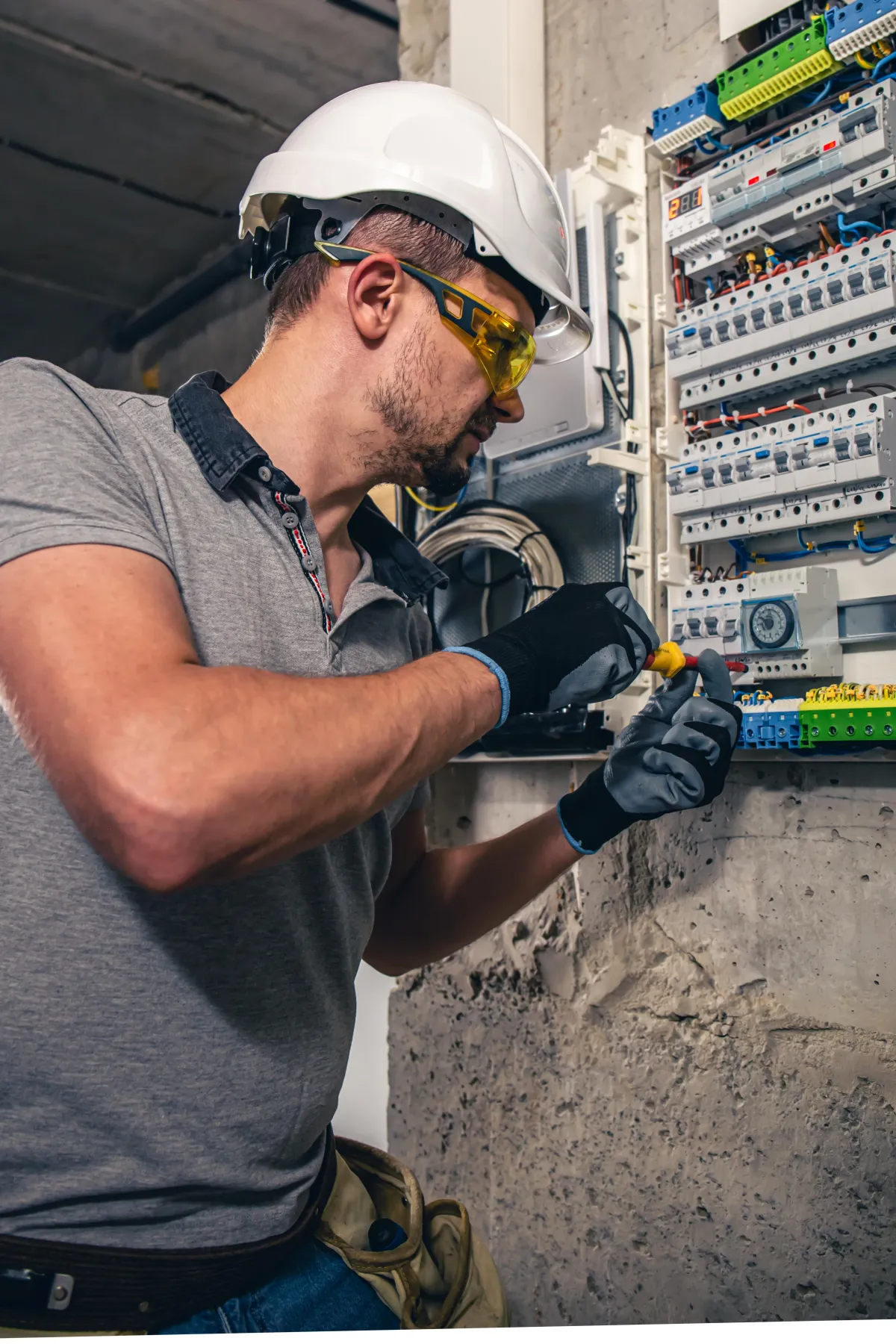
At Lifetime Energy, we’re more than just a solar provider—we’re a fully licensed electrical contractor dedicated to delivering clean, reliable power solutions. From custom solar system design to expert installation, we handle every step in-house to ensure quality, safety, and performance. With decades of combined experience in both solar and electrical work, our team brings the technical expertise and local knowledge needed to maximize your energy savings and keep your home or business running smoothly for years to come.
SERVICES
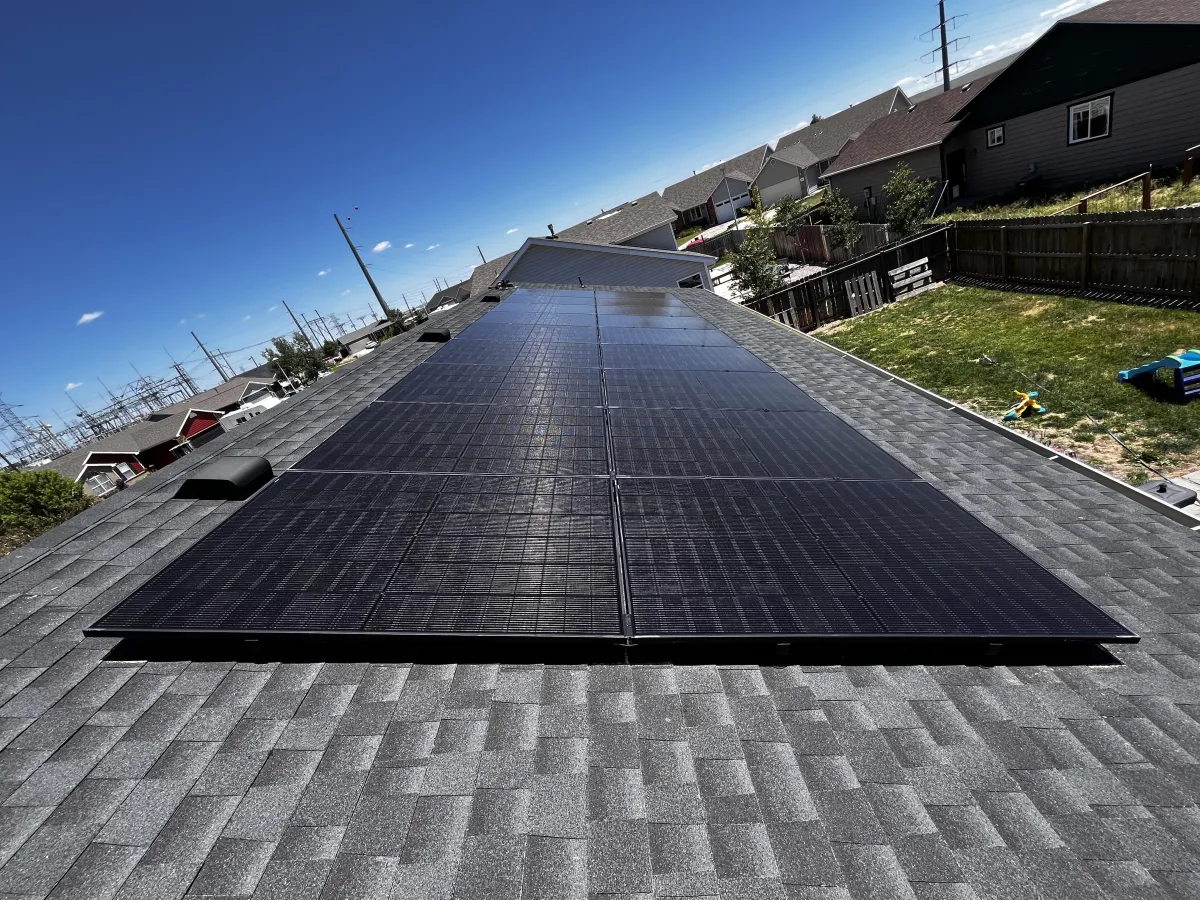
Solar Installation
Custom-designed solar systems that maximize your home’s energy potential, backed by professional installation and 25-year warranties.
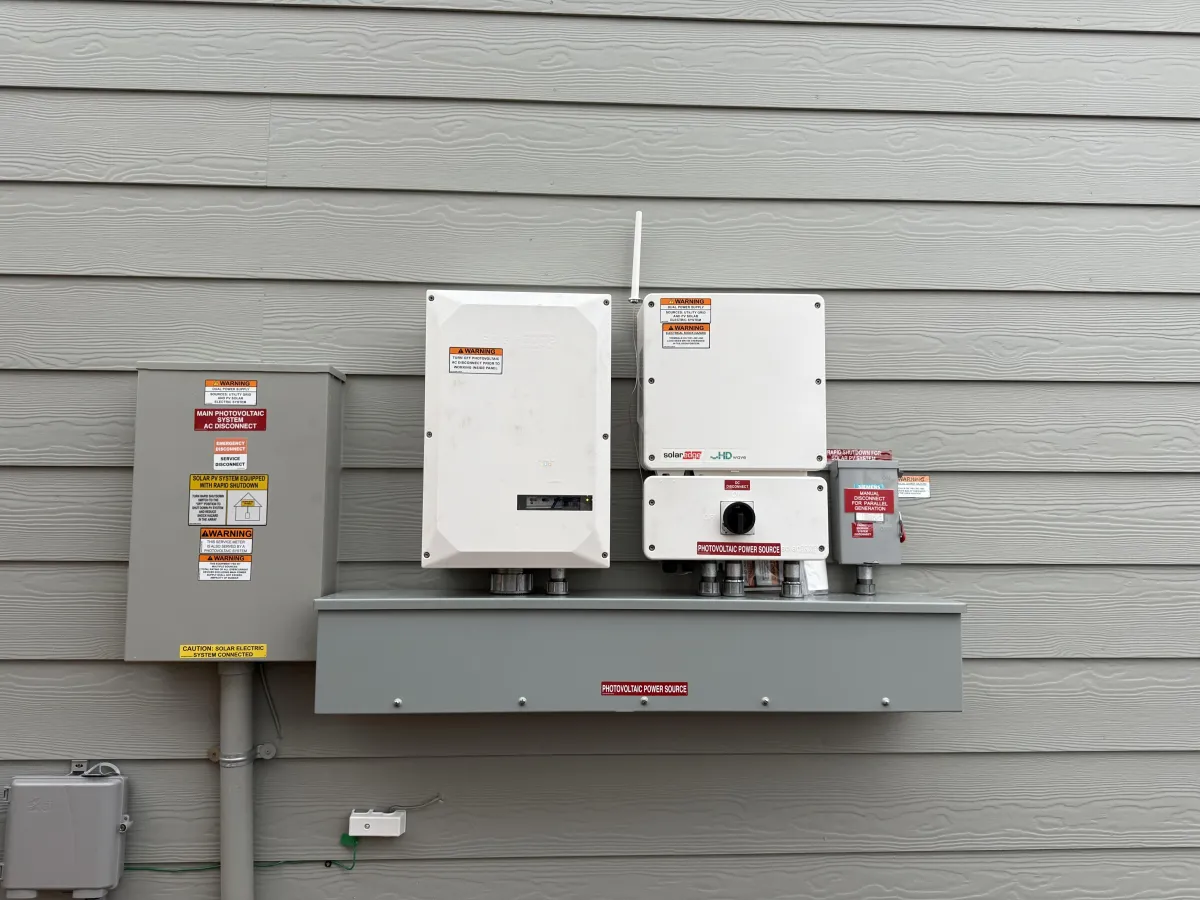
Electrical Services & Main Panel Upgrades (MPU)
From small repairs to full service panel replacements, our licensed electricians ensure your home’s electrical system is safe, reliable, and future-ready.
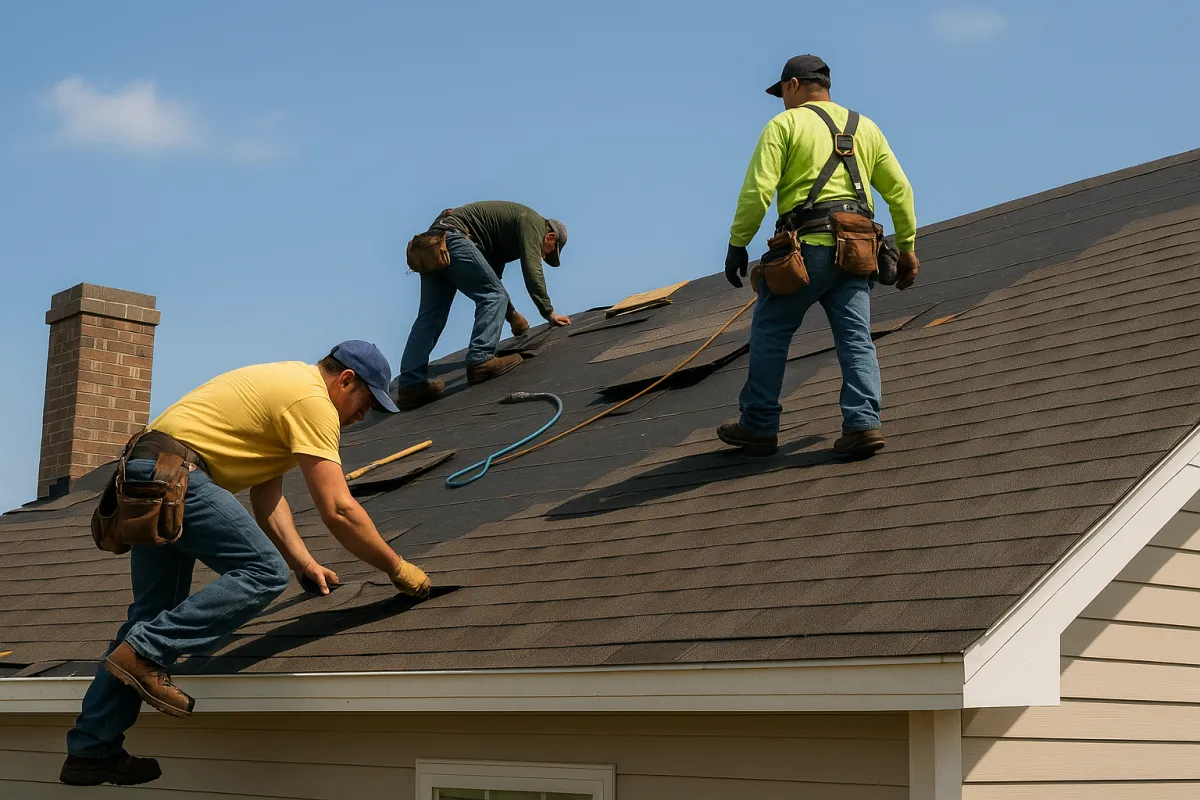
Roof Replacements
Durable, weather-resistant roofing solutions installed by experienced crews to protect your home and improve its efficiency.
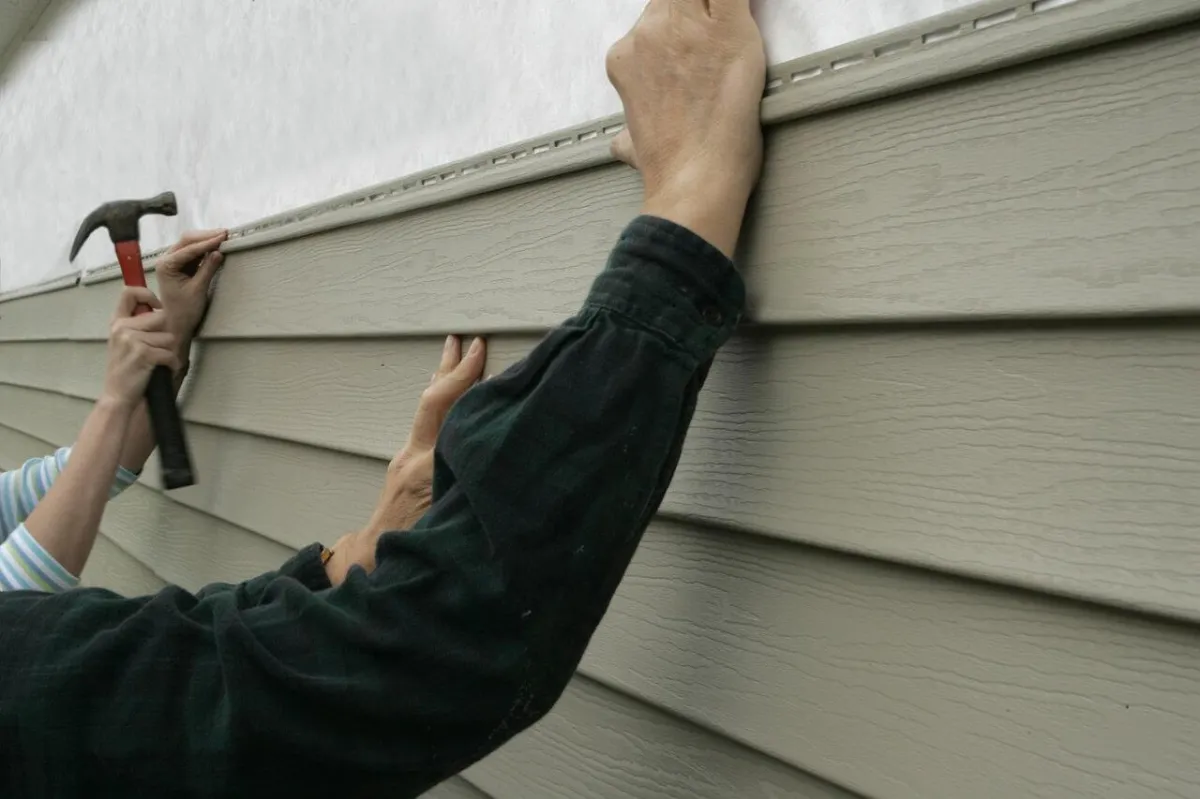
Siding & Window Replacement
Energy-efficient windows and premium siding options to enhance curb appeal, reduce utility costs, and increase home comfort.
TESTIMONIALS
CUSTOMER REVIEWS
OUR TEAM

Logan Smith

Tyler Norwood

Austin Thompson
FAQS
How does solar power work?
Solar panels capture sunlight and convert it into direct current (DC) electricity. An inverter then changes it into alternating current (AC), which powers your home. Any excess energy can be stored in batteries (if installed) or sent back to the grid.
How much can I save by going solar?
Savings vary based on your energy usage, local utility rates, and the size of your system. On average, homeowners save 40–70% on their electricity bills over the life of their system.
What is the cost of installing solar panels?
The cost depends on system size, roof type, and equipment selected. With available incentives, tax credits, and financing options, most homeowners see affordable monthly payments that are often less than their current utility bills.
Are there incentives or tax credits available?
Yes. The federal solar investment tax credit (ITC) allows you to deduct up to 30% of your solar system cost from your taxes. Many states, utilities, and local programs offer additional rebates or incentives.
How long does the installation process take?
From consultation to system activation, the process usually takes 4–8 weeks. Actual panel installation typically takes 1–3 days, depending on system size.
Will solar panels work on cloudy or rainy days?
Yes. While panels are most efficient in direct sunlight, they still produce electricity in cloudy conditions. Rain can even help wash away dust and debris, keeping panels efficient.
How durable are solar panels?
Most solar panels are designed to last 25–30 years and are tested to withstand hail, snow, wind, and extreme temperatures. Warranties typically cover both performance and equipment.
What happens if I sell my home after installing solar?
Solar often increases home value. Studies show buyers are willing to pay more for homes with solar energy systems, especially when the system is fully paid off.
Do I need a battery with my solar system?
Batteries are optional. Without a battery, your system sends excess power to the grid. With a battery, you can store energy for nighttime use or during power outages, increasing energy independence.
How do I know if my home is a good candidate for solar?
Homes with south-facing roofs, minimal shading, and average or high energy usage are typically ideal. A free consultation will analyze your roof, sunlight exposure, and utility bills to confirm solar suitability.
Get In Touch